The investigation
The Journey
Olive cuttings left Andalucía as living plants: stakes that had to survive ships, salt, time, and handling.
They entered a Peruvian landscape that already had irrigation, agricultural knowledge, labor, landholding, and taste.
Centuries later, another Mediterranean export would travel differently: not as a plant, but as a measured model of food and health.
This is the route the investigation follows.
Publishing September 2027 from Ten & Walker Press.
Andalucía to Lima, sixteenth-century Spanish sea laneNatural Earth (public domain base data)
01
Andalucía
Before the crossing
The story begins with olive trees, dry ground, water, land, labor, and the knowledge required to keep a grove productive across generations.
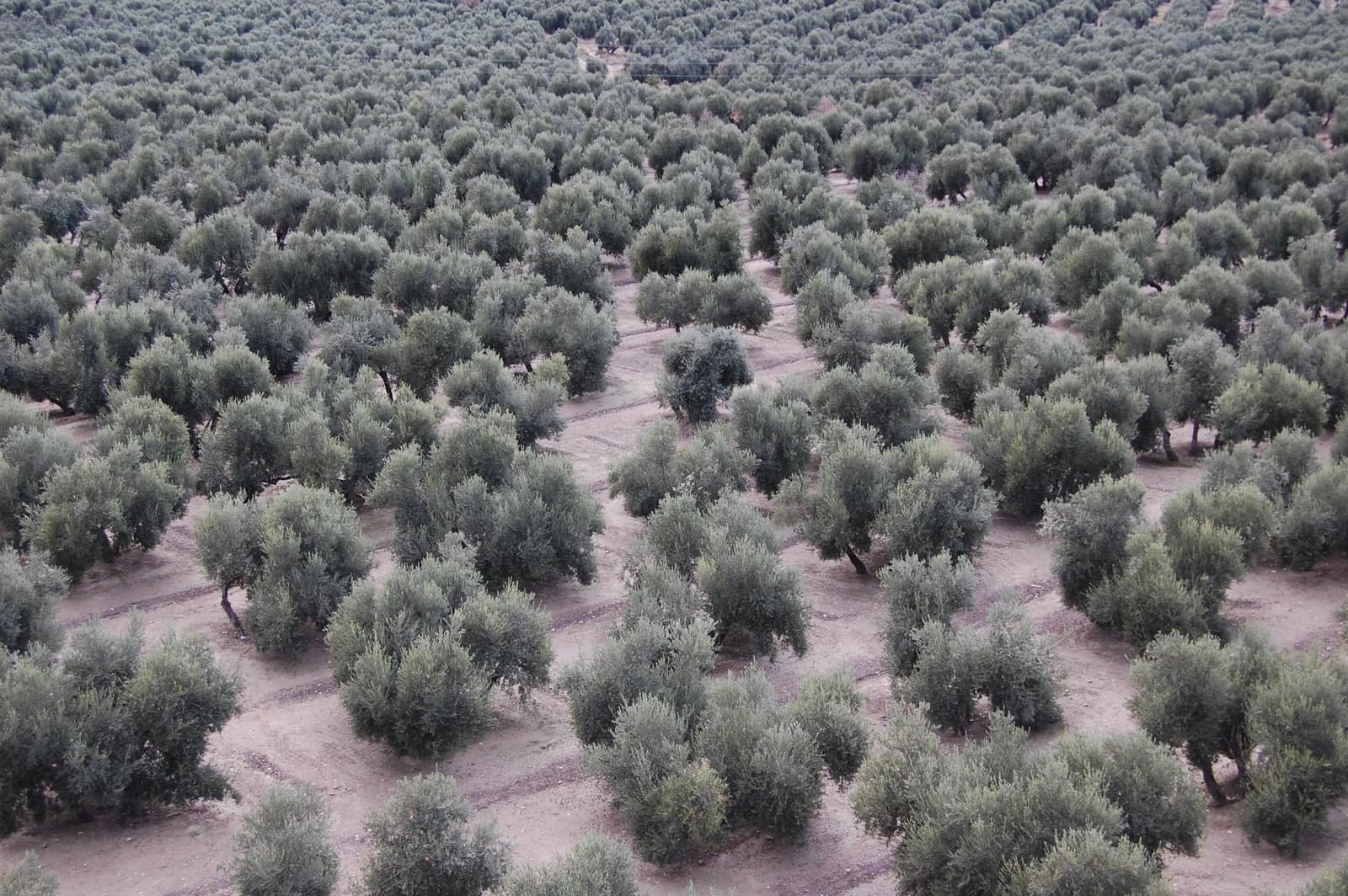
Olive groves near Baeza, JaénJose Antonio CasanovasCC BY-SA 3.0
Olive groves near Baeza, in the province of Jaén. Individual trees, planted in rows, recede across dry ground. 02
Across the Atlantic
Keeping a living thing alive
Plants did not cross oceans as abstractions. Cuttings had to survive ships, time, salt, handling, and unfamiliar climates while moving through the infrastructure of an empire.
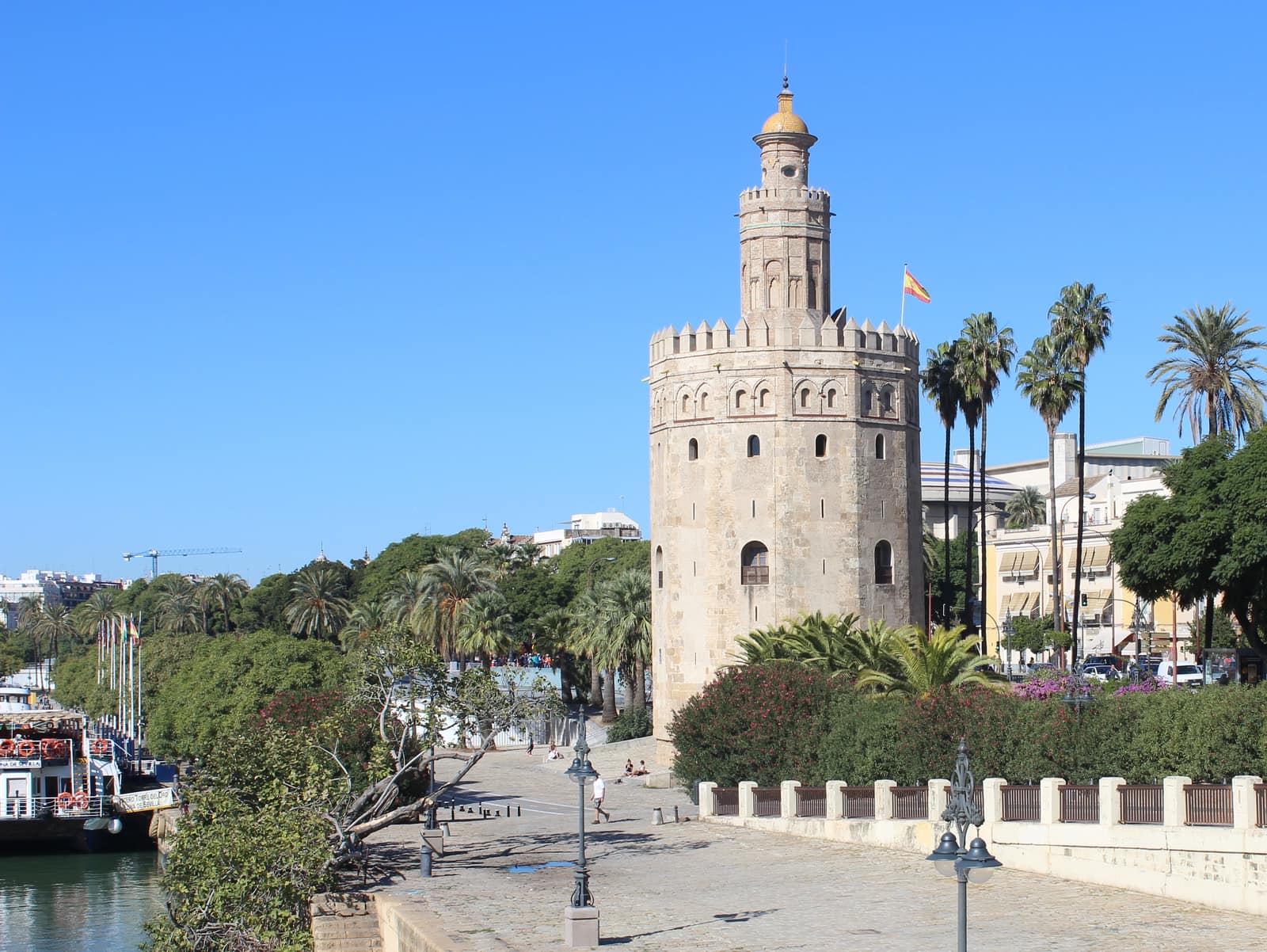
Torre del Oro on the Guadalquivir, SevilleMartinvlCC BY-SA 4.0
The Guadalquivir at Seville. Cuttings bound for Peru left through this riverine port system, the Carrera de Indias. The photograph records the place now, not a reconstructed sixteenth-century waterfront. 03
Peru
Arrival did not mean an empty landscape
The olive entered a region with existing irrigation systems, agricultural knowledge, political authority, labor arrangements, and markets. Its survival depended on what was already there.
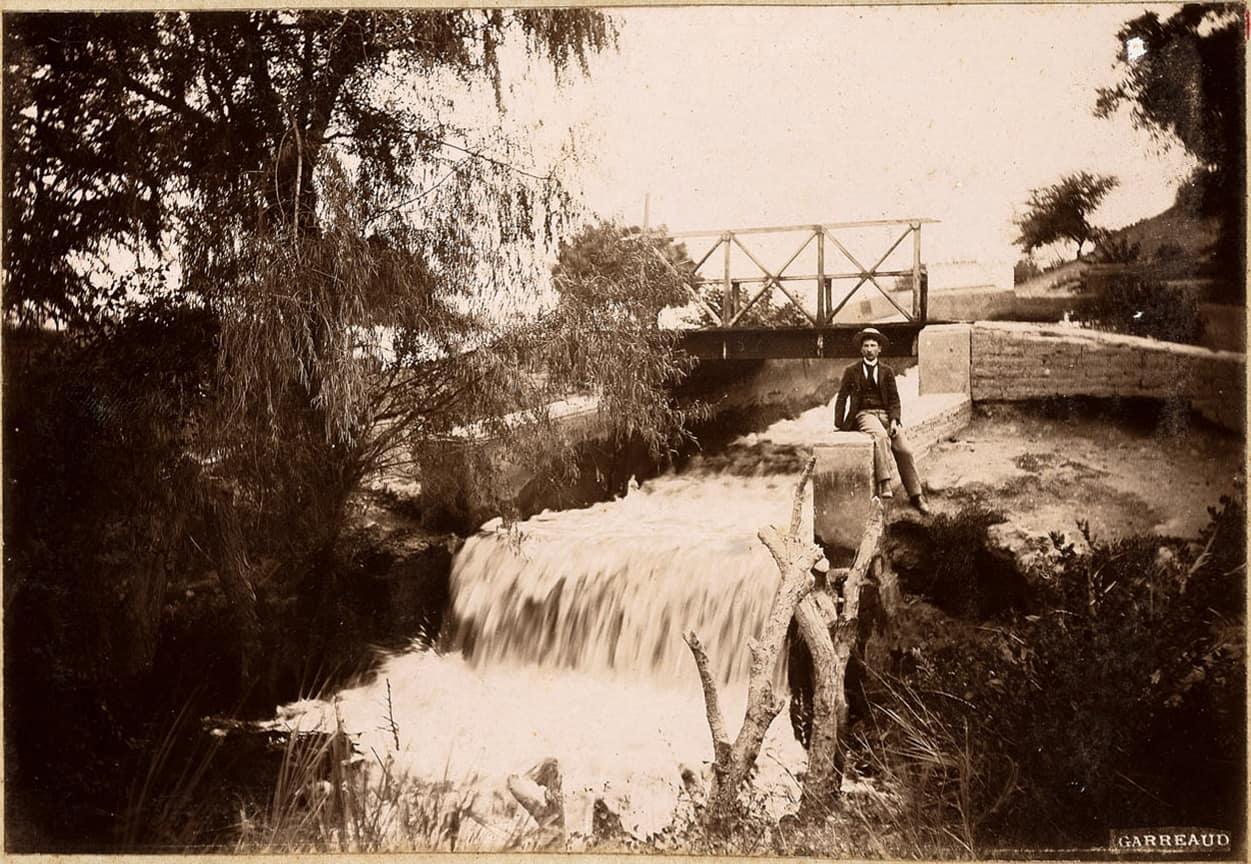
Acequia at the Chicamita haciendaFernando GarreaudPublic Domain
A hacienda acequia at Chicamita, on the Peruvian coast. Fernando Garreaud photographed the canal in the late nineteenth century. Irrigation was already there when the olive arrived. Why Are El Olivar’s Olive Trees Still Planted in Straight Lines?
04
Adaptation
The tree stayed related. Its expression changed.
Peru developed productive olive regions, distinctive forms, and its own uses for the fruit. Biological continuity did not produce cultural replication.
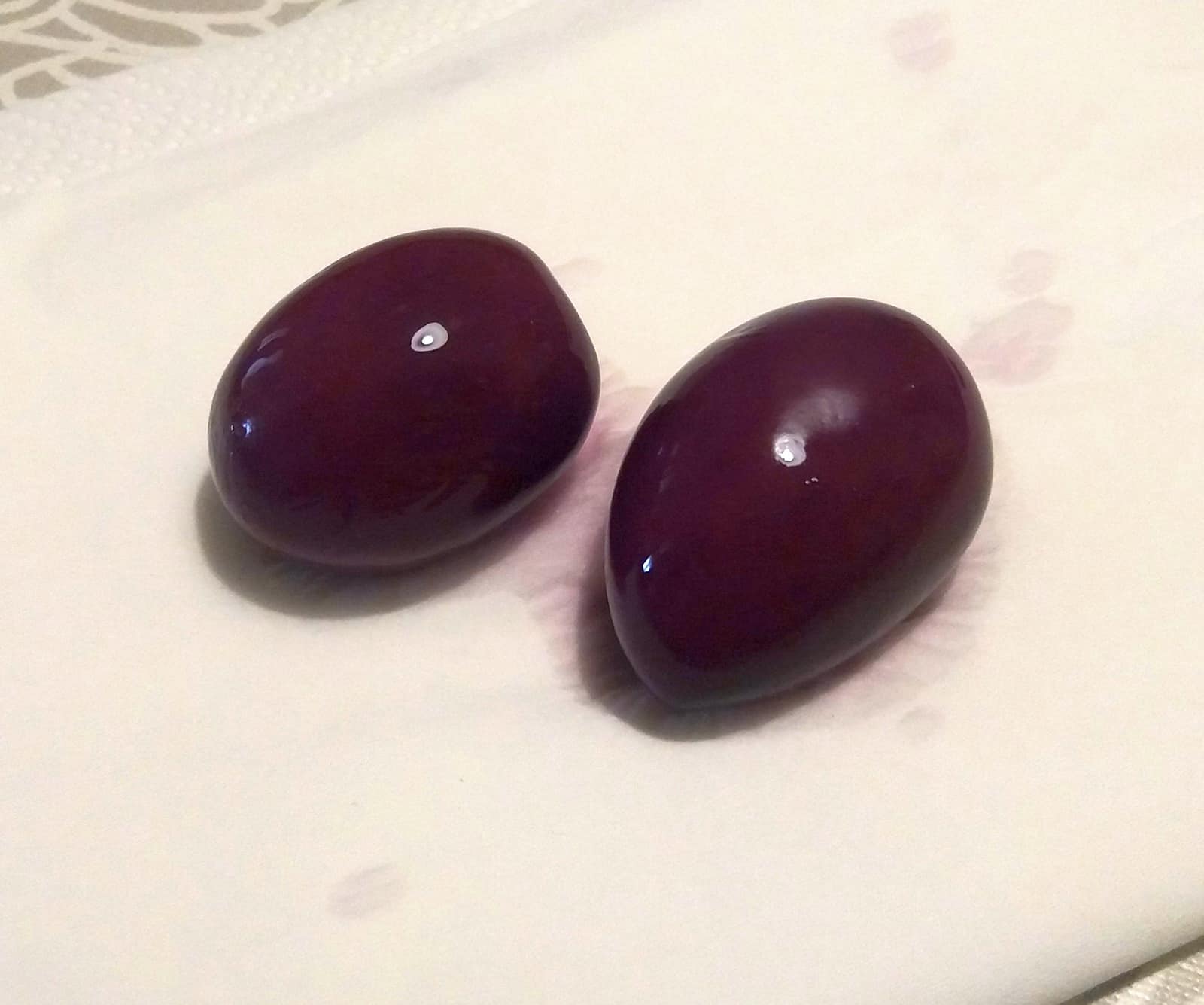
Aceituna de botijaMiguelAlanCSCC BY-SA 4.0
Botija olives after harvest and curing. The characteristic dark fruit is not a separate species from the Spanish green table olive. 05
The Mediterranean observed
A lived system becomes measurable
In the twentieth century, researchers began comparing patterns of food, health, and daily life across populations. Particular Mediterranean environments became sources of data.
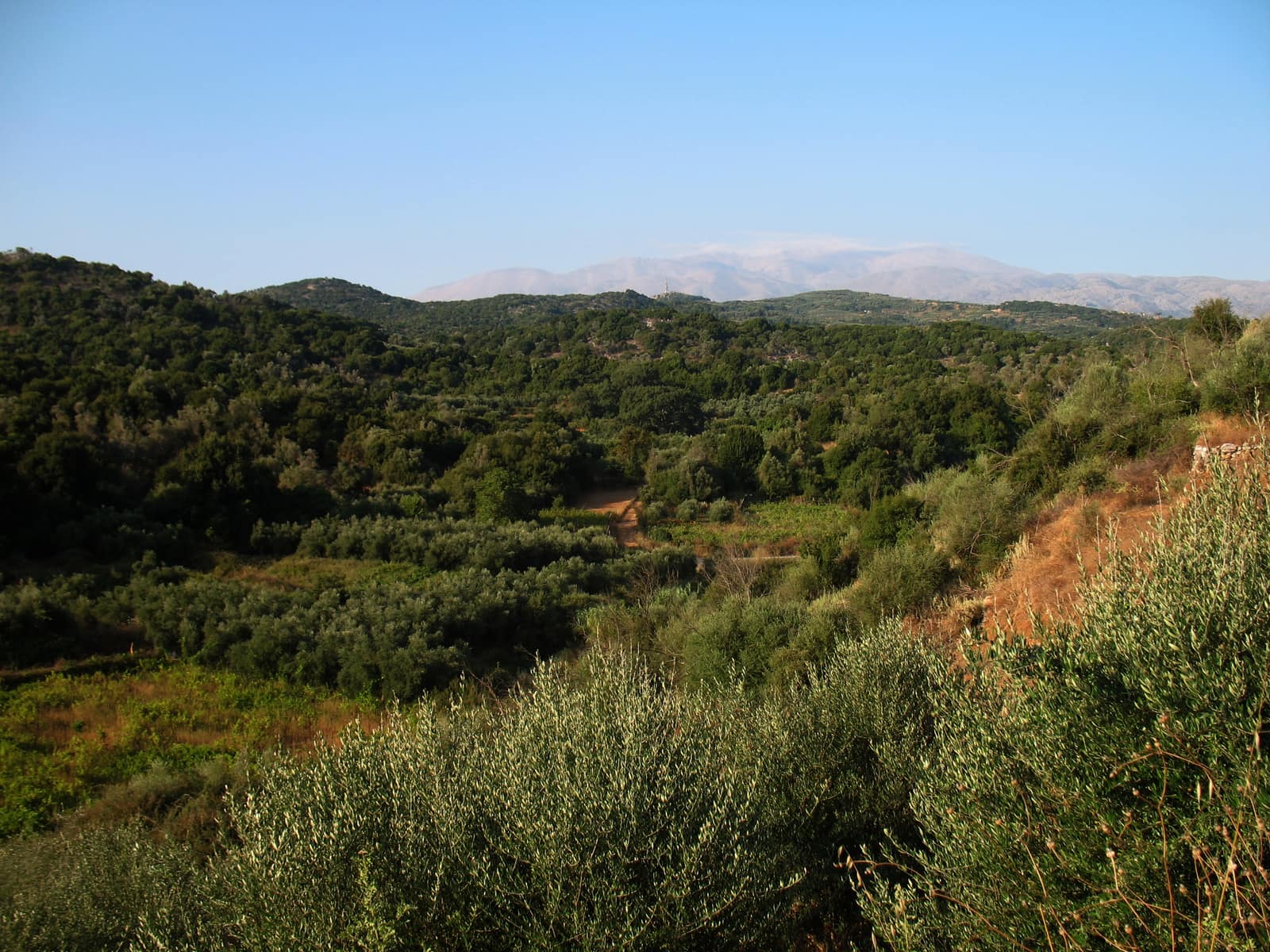
Olive trees and Psiloritis, Creteandre oorCC BY-SA 3.0
Olive trees on Crete, with Psiloritis in the distance. A lived agricultural landscape of the kind later sampled, measured, and turned into a portable model. Lived household
Later measured
Crete
diet and health
06
The model travels
From place to prescription
What researchers observed eventually became a recognizable model of diet and health capable of traveling almost anywhere. Which parts of that lived landscape moved, and which remained behind?
Lived system
land · season · markets · households · labor · food · movement · social life
↓
Model